

Treadmill vs walking outside: which burns more? At the same speed on flat ground, the treadmill often burns slightly more, not less. That surprises people, because the usual advice is that outdoor walking wins thanks to wind and terrain. Those effects are real but tiny at walking speeds, and newer research shows most people walk a little less efficiently on a belt, with shorter, quicker steps. Outdoors, the real calorie boosters are hills and rough ground. For weight loss, the difference between the two is small. What matters far more is which one you will do five days a week, and the treadmill’s incline button can easily make it the bigger burner.
Use the treadmill vs walking outside tables below for matched speeds, then decide with terrain, weather, and which session you will actually keep doing.
- Same speed, flat ground: treadmill walking costs about the same or a little more energy.
- Outdoors: hills, trails, sand and snow add the most calories.
- Weight loss: pick the option you will stick with, then add incline or hills.
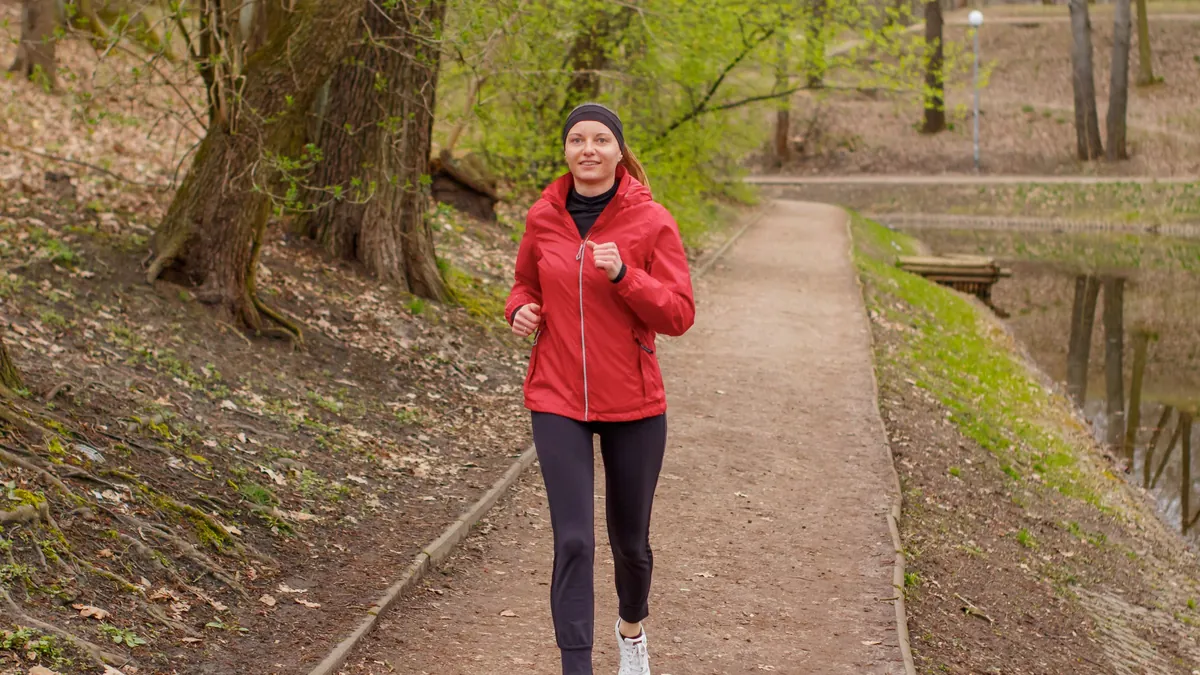
Table of Contents
Treadmill vs walking outside: which burns more calories?
What the latest research says
For years, the standard line was that walking outdoors burns a bit more because you face air resistance and uneven ground. At walking speeds, the evidence now points the other way.
- A 2024 systematic review and meta-analysis in the Journal of Sports Sciences pooled 55 studies with 1,005 healthy adults walking at matched speeds. Relative oxygen use, a direct marker of energy burned, was higher on the treadmill. Cadence was also higher, and stride and step length were shorter.
- A 2026 crossover study in the Journal of Functional Morphology and Kinesiology tested 20 healthy young adults at about 2.2, 2.9 and 3.4 mph. Treadmill walking had higher gross and net energy expenditure at all three speeds, again with faster cadence and shorter steps.
The likely reason is stability. On a moving belt, people take shorter, quicker steps to feel secure, and that slightly less economical stride costs more energy. Treadmill familiarity, deck stiffness and motor power may also play a part.
Why outdoor walking can still burn more in real life
Lab studies match speed and keep the ground flat. Real outdoor walks are different:
- Hills. Even gentle rises add up quickly. Going down does not refund what you spent going up.
- Terrain. Grass, gravel, trails, sand and snow all cost more than pavement or a treadmill deck.
- Wind. At walking speeds air resistance is small, but a strong headwind still adds effort.
- Pace changes. Crossings, turns and stops change your effort, sometimes up, sometimes down.
So a hilly outdoor loop can burn more than a flat treadmill walk, while a flat sidewalk stroll will probably burn a little less than the same pace on a belt.
How many calories will you burn walking?
Most calculators, including treadmill consoles and ours, use the ACSM walking equation. It predicts calories from speed, incline and weight, and it does not change for indoor vs outdoor.
| Speed | 0% | 3% | 5% | 10% |
|---|---|---|---|---|
| 2.5 mph | 102 | 138 | 162 | 222 |
| 3.0 mph | 115 | 159 | 187 | 260 |
| 3.5 mph | 129 | 179 | 213 | 297 |
| 4.0 mph | 142 | 200 | 238 | 335 |
A 200 lb person burns about 167 calories at 3.5 mph flat in the same time. Enter your own numbers in our treadmill calorie calculator or the incline calculator. Notice how much incline does: 3.0 mph at 10% burns roughly double a flat 3.0 mph walk.
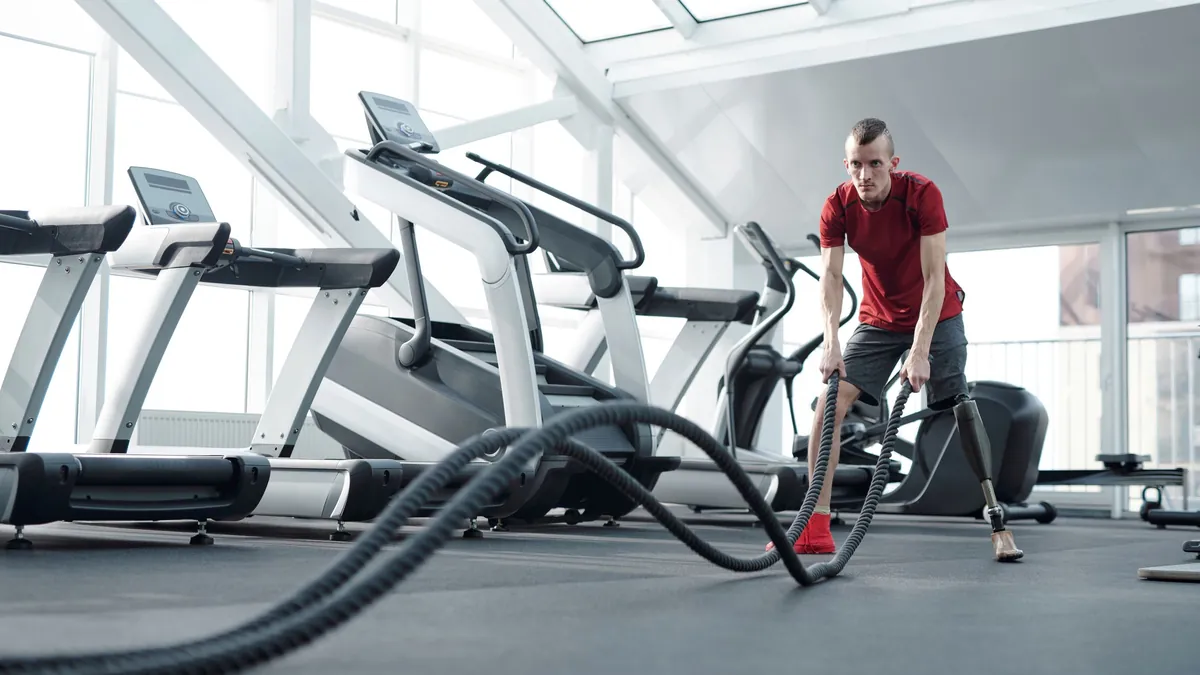
Is treadmill or walking outside better for weight loss?
Treadmill advantages
- No weather excuses. Rain, heat, cold and darkness stop many outdoor walking plans.
- Precise incline. You can hold a steady 5% to 12% climb for as long as you like, which few neighborhoods offer.
- Exact pace. The belt keeps you at the planned speed even when you tire.
- Multitasking. Shows, podcasts, even calls. Anything that makes the time pass helps consistency.
- Safety and accessibility. Even surface, no traffic, rails within reach for balance if needed.
Outdoor walking advantages
- Free and anywhere. No gym or machine needed.
- Natural variety. Hills, turns and surfaces spread the load across more muscles and joints.
- Daylight and green space. Many people find outdoor walks more enjoyable and less of a chore.
- Easy to build into the day. Walking to errands, school or work adds activity without a separate workout.
Consistency beats location
The U.S. Physical Activity Guidelines recommend at least 150 minutes a week of moderate activity, such as brisk walking. Five 30-minute walks at 3.5 mph for a 154 lb person add up to 643 gross calories a week, or 468 net calories once you remove what you would burn sitting still. A 5% difference between indoor and outdoor is about 30 calories a week. Missing one walk costs four times that. Plan your weekly target with our treadmill calorie deficit calculator, and remember that food intake usually moves the scale more than exercise. Our guide on eating back exercise calories explains why.
Incline treadmill vs walking outside on hills
Benefits of incline treadmill walking
Incline is the treadmill’s biggest weight-loss advantage. You choose the grade, hold it steady and walk down nothing, so there is no hard braking on the way back. A popular example is the 12-3-30 routine (12% incline, 3 mph, 30 minutes). See what it burns on our 12-3-30 calories page, or compare incline walking with running in incline walking vs running for fat loss.
Benefits of outdoor hills
Real hills change grade constantly and include descents, which train balance and work your thighs differently. Hiking trails add uneven footing. For many people, a hilly route is also more interesting than staring at a wall.
How to start incline training safely
- Start at 2% to 4% for a week or two.
- Raise incline by 1% to 2% at a time, and slow down if your breathing gets ragged.
- Keep your hands off the rails. Holding on cuts your real effort. See our handrail effect page.
- If your knees are sensitive, slow uphill walking is often easier on them than fast flat walking. Read is treadmill bad for knees for the research.

Side effects of treadmill walking
Common physical issues
- Shin or calf tightness when incline rises too quickly.
- Knee or hip aches from overstriding or doing too much too soon.
- Dizziness stepping off the belt. Slow down for a minute or two before you stop.
Comfort and environment issues
- Gyms and spare rooms can get warm and stuffy. A fan helps.
- Boredom is the main reason people quit treadmill plans.
How to reduce the risks
Warm up for five minutes, build time before speed or incline, wear supportive shoes, stand tall near the middle of the belt and clip on the safety key. New to it? Start with how to use a treadmill for beginners.
Is walking on a treadmill good for weight loss?
Yes. Walking is one of the most sustainable ways to add activity, and the treadmill makes it easy to add intensity with incline. Six simple ways to burn more:
- Add incline before speed.
- Use short incline intervals, such as 2 minutes at 8% and 2 minutes at 2%.
- Walk briskly enough that talking takes some effort.
- Do not hold the handrails.
- Add 5 to 10 minutes per session as your fitness improves.
- Follow a plan. Our beginner treadmill plan builds week by week.
Is walking on a treadmill good for you?
Who benefits most
- Beginners who want a predictable surface and an easy way to control effort.
- People returning from injury or managing joint pain, since the 2024 review found lower knee and ankle joint moments on the treadmill than over ground.
- Anyone in extreme weather or without safe sidewalks, parks or daylight.
- Busy people who can walk while watching, listening or working at a walking desk.
When to be careful
- If you have balance problems, start slowly with rails within reach and use the safety key.
- If you have heart disease, are pregnant or have a health condition, the Physical Activity Guidelines suggest talking to your health care provider about the type and amount of activity that suits you.
- If you feel chest pain, severe breathlessness or dizziness, stop and seek medical advice.
Benefits of walking on a treadmill for 30 minutes
A daily 30-minute walk, about five days a week, meets the 150-minute guideline. The Physical Activity Guidelines link regular moderate activity with lower risk of heart disease, type 2 diabetes and several cancers, better sleep, less anxiety and better mood. Calorie-wise, 30 minutes at 3.5 mph is about 129 calories for a 154 lb person, or about 213 at 5% incline.
What walkers commonly say online
Search “walking outside vs treadmill reddit” and two camps appear. Outdoor fans talk about fresh air, scenery and feeling less bored. Treadmill fans talk about consistency, weather, safety after dark and the ability to walk while watching something. Many people say they do both: treadmill on weekdays and longer outdoor walks on weekends. These are personal experiences, not evidence, but the “do both” approach is hard to argue with.
Why is it harder to walk on a treadmill than outside?
Physical reasons
It is not just in your head. The research above shows people take shorter, quicker steps on a treadmill and use slightly more energy at the same speed. The belt also does not let you slow down subtly when you tire, as you naturally would outside.
Mental reasons
No changing scenery and no sense of getting anywhere make time drag. A clock in front of you does not help.
How to make it feel easier
Give yourself a few sessions to get used to it, look ahead rather than down, let your arms swing naturally, and use music, shows or interval changes to break up the time.

Treadmill vs walking outside: which should you choose?
Choose the treadmill if weather, safety, time or a lack of hills keep you from walking, or if you want to use incline to boost calories. Choose outdoor walking if you enjoy it more and have varied routes. For most people the best answer is both. Runners face a different set of trade-offs, which we cover in treadmill vs outdoor running calories.
Use the treadmill vs walking outside tables for the calorie side, then pick the session you will actually keep doing.
At the same speed on flat ground, treadmill vs walking outside often favors the belt by a small margin, not the sidewalk.
Hills, wind and stops for curbs can swing a treadmill vs walking outside comparison, which is why the indoor machine is easier to standardize.
For weight loss, treadmill vs walking outside matters less than whether you keep a deficit you can live with for months.
If you enjoy both, use treadmill vs walking outside as a weather decision, and keep the weekly minutes roughly steady.
Related comparison guides and tools
Frequently asked questions
Do you burn more calories walking on a treadmill or outside?
At the same flat speed, studies now find the treadmill costs the same or slightly more. Outdoor routes with hills or rough ground can burn more.
Is walking 30 minutes on a treadmill the same as walking outside?
Close. A flat treadmill walk is roughly equal to, or slightly harder than, a flat outdoor walk at the same pace.
Should I set the treadmill to 1% when walking?
It is not needed to match outdoor walking. The 1% rule comes from running studies. For walkers, choose incline for the extra challenge.
Is treadmill vs walking outside better for belly fat?
Neither targets belly fat. Overall weekly activity, diet and sleep drive fat loss.
Why does my watch show different calories indoors and outdoors?
Outdoors, it can use GPS for speed. Indoors, it estimates speed from your wrist movement, which is less accurate. See treadmill vs smartwatch calories.